Four A.M. Calls, Cold Chips and the Fine Art of Looking Busy: My Life as a Background Artiste
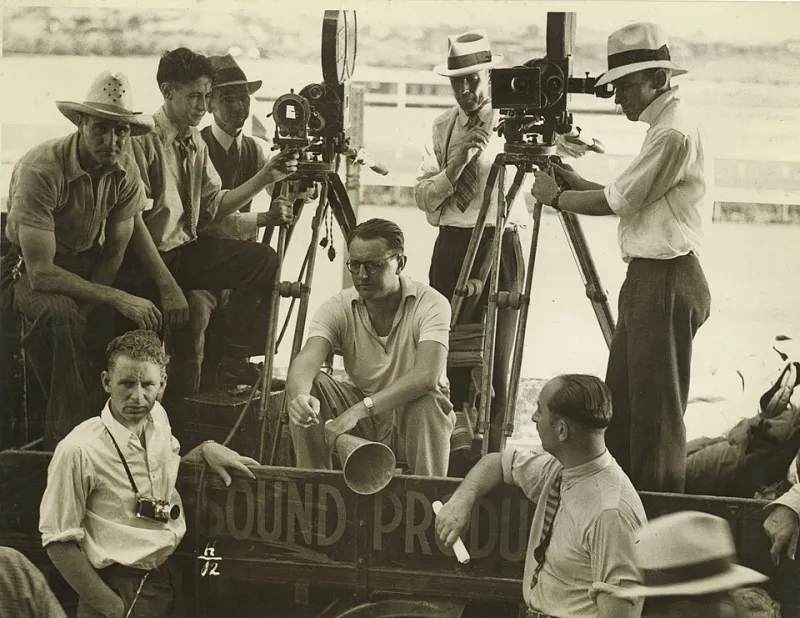
Photo: Unknown authorUnknown author, Public domain, via Wikimedia Commons
The call time was 4:45am and the location was a stately home just outside Bath in February. I remember thinking, as I scraped ice off the windscreen of my battered Corsa, that this was either the bottom of the industry or the very start of it. Turns out it was both.
Six months as a supporting artiste — never 'an extra' if you want to keep the agent's goodwill — will teach you things no drama school module ever could. Mostly how to stand. But also some genuinely useful things, which I'll get to.
The Hierarchy Is Real and Everyone Knows Their Rung
There's a pecking order on every set, and background work has its own intricate class system. At the bottom: the day players, fresh off the agency text, clutching supermarket meal deals. Above them: the regulars, the familiar faces who've stood in the same fictional pub for eleven years and know where the good biscuits are kept. Above them: the featured artistes, the ones who get to push a trolley past the lead actor and are insufferable about it for a week.
I was, for most of those six months, a day player. My finest achievement was being positioned behind a soap legend in a café scene so long that we developed a nodding acquaintance. She once asked me to pass the fake sugar. I think about it daily.
What They Don't Teach You (But Should)
Lesson one: wear thermals under the costume. Period drama corsetry over a thermal vest is the UK industry's true costume design challenge, and nobody applauds you for it.
Lesson two: the craft of 'looking busy'. There is an art to miming conversation — the gesture, the laugh, the lean-in — all while staying silent and keeping your eyeline exactly where the continuity person needs it. Done badly, it's panto. Done well, it's a masterclass in listening, which is, I'd argue, about eighty per cent of acting anyway.
Lesson three, and this is the big one: watch everything. I watched a director block a scene with the precision of a chess grandmaster. I watched a lighting team spend forty minutes on a shot that would last four seconds. I watched a panel show warm-up act keep two hundred people laughing for an hour with nothing but a microphone and sheer northern charisma. That's an education. It cost me nothing but sleep.
The Chips at Wrap
You'd finish a fourteen-hour day, feet screaming, corset bruising your ribs, and someone from the AD team would appear with trays of chips wrapped in paper, and honestly? Best meal of my life, every time.
People ask if I look back on those months fondly or with a shudder. The answer is yes. It was cold, tedious, badly paid and occasionally magical. It's where I learned that a television set is a village, and even the village extras matter to the picture.
So if you're starting out and someone offers you a day as background on a soap — take it. Bring thermals. Say yes to the fake sugar. And when the 4am call comes, remember: you're not beneath the work. You're just at the beginning of it.