Booing on Cue: The Secret Joy of Playing the Person Everyone Hates
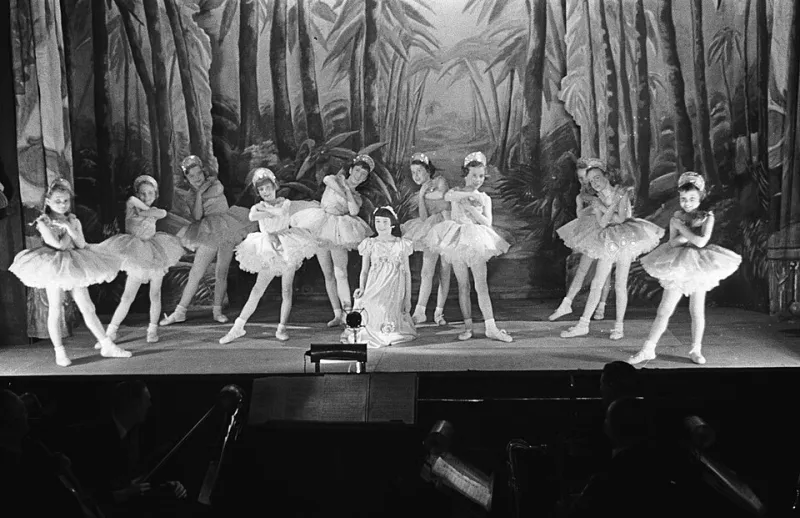
Photo: Geoff Charles, CC BY-SA 4.0, via Wikimedia Commons
My first paid acting job was playing the evil stepmother in a pantomime in Margate. I wore a wig so enormous it had its own postcode, and every night, two hundred children screamed 'BOO! HISS!' at me with a sincerity that would unsettle most people.
I loved every second of it.
There's something baked into the British psyche when it comes to villains. We don't just tolerate our baddies — we cherish them. We queue up to boo them. We name our pets after soap murderers. There's a reason Dirty Den, Ethel's dog aside, is still talked about decades on, and why half the nation wept when a character they'd spent years hating finally got their comeuppance.
Learning the Craft of Nasty
Playing a villain is technically harder than playing someone nice, and I will die on this hill. A hero gets the audience's goodwill for free. A villain has to earn their attention, scene by scene, without ever asking to be liked.
The trick, I've learned, is that no character thinks they're the villain. My pantomime stepmother genuinely believed she deserved the family silver. The conniving landlady I played in a touring production thought she was keeping a business afloat. The soap producer who cast me as everyone's least favourite aunt told me: 'Find the reason, and the nastiness plays itself.'
She was right. The moment you start playing 'evil', you become a cartoon. The moment you play a person with terrible logic and absolute conviction, you become magnetic.
The Fan Mail Problem
Now, here's the bit nobody warns you about. When you play someone hateable, the audience response is intense.
I've been told to 'watch my back' in Tesco by a woman who meant it, mostly. I've had a Christmas card addressed simply to 'That Awful Woman off the Telly'. And my absolute favourite — a letter from a lovely gentleman in Sheffield informing me that he had 'never hated anyone so much since Frank Butcher' and that he hoped I'd 'keep up the good work'.
That last one is framed in my hallway. Because in this business, being hated properly is a compliment of the highest order. Indifference is the only true failure.
Why We Need Them
I think the reason British audiences love a baddie goes right back to the panto. It's participatory. The villain gives the audience permission to react — to hiss, to boo, to shout 'HE'S BEHIND YOU!' We're a nation that doesn't always wear its heart on its sleeve, but hand us a proper nasty piece of work in a wig, and we'll tell you exactly how we feel.
There's a nostalgia in it, too. Every soap baddie, every panto demon, every scheming aunt is a descendant of that same tradition — the character who unites a room in collective, joyful disapproval.
So if you're an actor terrified of playing unlikeable: don't be. Lean in. Find their logic, commit to their conviction, and prepare for the strangest, most wonderful feedback of your career.
And if someone hisses at you in the vegetable aisle? Take it as a review. Five stars.