I Trained My Essex Out of My Mouth. Then I Had to Train It Back In.

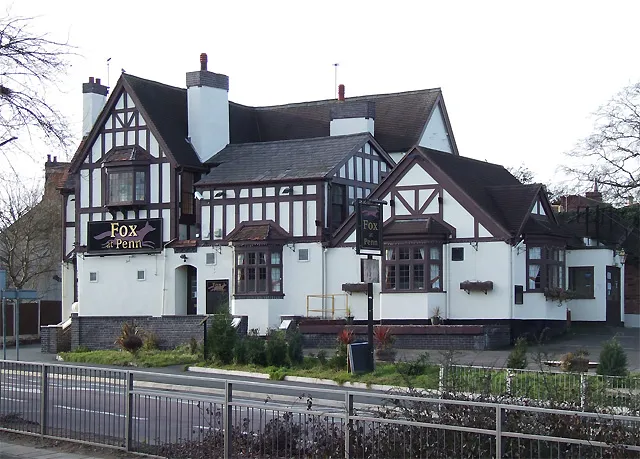
Photo: W. E. Heitland, Public domain, via Wikimedia Commons
There's a recording of me, aged nine, doing an impression of my nan. It's terrible. It's also the most alive my voice has ever sounded.
I've been thinking about that clip a lot lately, because somewhere between that kitchen table and my mid-thirties, I lost the accent that made it. Not overnight — nobody wakes up speaking like a newsreader. It happened the way these things always happen: gradually, professionally, and with the full cooperation of the person losing it.
The Sanding Down
The first person to flag it was a camera tutor in my second year of drama school. Lovely woman, completely well-meaning. She watched my showcase reel, sighed, and said the sentence that would quietly reorganise my entire mouth: "We just need to soften the vowels a touch, darling, or casting won't take you seriously."
So I softened. I did the exercises. I learned to hear the difference between a 'received' vowel and one that gave the game away. I practised counting to ten in the car until the numbers came out round and clean and belonging to nobody.
And here's the thing nobody warns you about: it worked. That's the cruel part. The neutral voice got me through doors. It got me commercials for insurance and a two-episode arc playing someone's sensible sister. Stage RP, as we called it, was a key — and I'd been told for years that my actual voice was a locked door.
What I didn't clock, until much later, was what I'd traded for it.
What Neutral Actually Costs
A neutral accent is a costume that fits so well you forget you're wearing it. The problem is that it sits on top of everything else too. When I spoke in that smoothed-out voice, my timing changed. My breathing changed. The characters I reached for got safer, because the voice itself was safe.
There's a specific moment I remember — a read-through where a director kept saying I was "almost there" with a line. I did it eleven ways, all technically correct, all dead on arrival. Then I got frustrated, muttered the line under my breath the way I'd say it to a mate over a moan about the trains, and the room went quiet. "That," he said. "Do that."
I couldn't do it on purpose. That was the problem. I'd unlearned how.
The Long Way Back
Getting the Essex back was genuinely harder than losing it. You can't download your own accent. What I did instead was embarrassingly low-tech: I recorded phone calls with my mum (with her permission, before anyone writes in). I listened to old voicemails. I watched my cousin's wedding video and paid attention to how we all lean on certain words.
I relearned it like a dialect — except the dialect was my own face.
The strangest part was the grief in it. There were sounds I'd been correcting for so long that hearing them felt like hearing a mistake, even when they were just... me. I had to sit with the discomfort of my own vowels until they stopped sounding wrong and started sounding like home.
Why Now Might Actually Be the Good Bit
Here's the hopeful turn: the industry has shifted under our feet, mostly in the right direction. Regional accents aren't a problem to be managed anymore — increasingly, they're the brief. Casting breakdowns that once said "RP, must de-regionalise" now say things like "authentic to the area" or, my favourite, "don't lose it." Writers are putting their own postcodes on screen. The voices audiences trust aren't the smooth ones; they're the ones with the grain still in them.
But — and I'd say this even if the trend were going the other way — the accent was never really the point. The point is that the voice you grew up with is wired to the rest of you. It's connected to where you learned to argue, to joke, to ask for things. Sand it off entirely and you sand off a bit of the instinct too.
So if some well-meaning tutor ever tells you to soften your vowels: soften them for the job, sure. Learn the technique. Be fluent in neutral the way you'd be fluent in any other dialect.
Then go home and ring your nan. Take notes. That's the good material.