Holding the Torch in the Dark: What Six Months of Covering a Role Taught Me About Generosity
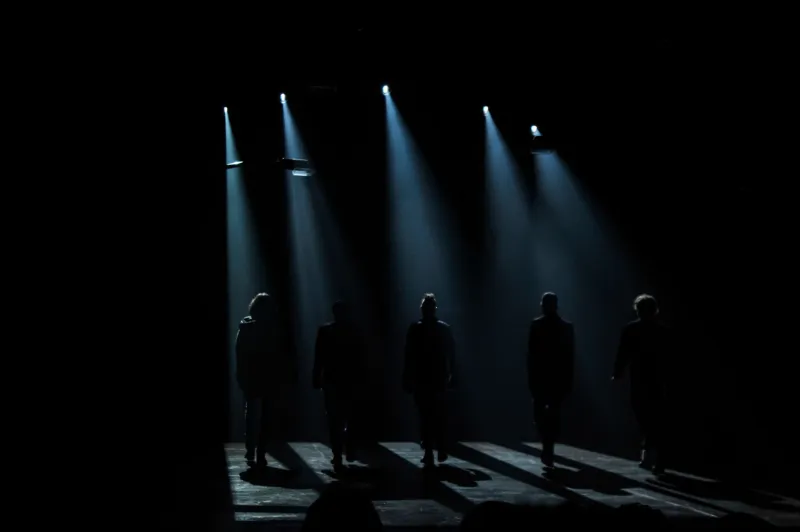
There's a moment in every theatre that the audience never sees. It happens about eight minutes before the interval, in the dark behind the tabs, when the deputy stage manager whispers the two most loaded words in the business: 'She's fine.'
Fine. As in, the leading lady's throat hasn't closed over. As in, the person sitting in the green room with a hot water bottle and a Lemsip has decided, against all medical advice, that she can soldier on to the final bow.
And so you — the understudy, the cover, the name in brackets on the cast board — quietly fold your script closed, hang the costume back on the rail, and go home by the night bus having performed precisely nothing.
The Job Nobody Applauds
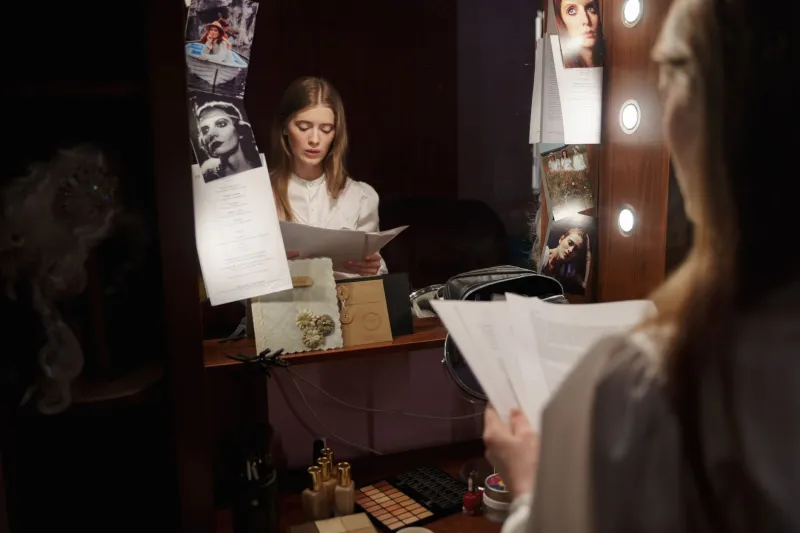
I covered a role for six months once. Six months of sitting in the wings every single night with a highlighter in one hand and a flask of Bovril in the other, mouthing along to every line like a slightly haunted extra from a horror film. I knew the part so thoroughly I could have done it in my sleep. I knew where the floorboards creaked. I knew which lighting cue came in a beat late on a Wednesday. I knew the exact moment the audience stopped coughing.
And every night, I watched someone else do it.
People assume understudying is about waiting. It isn't. Waiting is passive. Understudying is a nightly act of devotion — you hold the role like a lit torch in the dark, keeping it warm, keeping it safe, and the strange unwritten contract is that you hope you never have to hand it over. You want the show to run untouched. You want your own big moment the way you want a fire alarm: never, and also desperately.
The Night the Phone Rang
Then, one Saturday in November, the call came. Not for me, as it happens — but the week after, I watched my fellow cover, a woman named Priya I'd shared many a Pret meal deal with, go on for the lead with four hours' notice.
I stood in the wings and watched her do it.
Here's the thing nobody tells you: watching someone else perform a role you know inside out is one of the most generous acts of spectatorship there is. Every choice she made was different from mine. Her comic timing sat a beat earlier. Her big speech was quieter, more conversational. And because I loved her — because we'd spent months in the trenches together, comparing notes on the interval queue and the state of the shower on floor three — I could see that her version was hers, and that it was good, and that the audience hadn't the faintest idea they were watching a debut.
I cried a bit, obviously. In the dark, by the fire bucket. Very professional.
The Unspoken Sisterhood of the Wings
There's a code among covers that outsiders don't clock. You never gloat when someone goes off. You never discuss another actor's health in the green room beyond a respectful murmur. You learn the role to a standard that would embarrass the person you're covering, because the worst outcome — the truly unforgivable one — is that they hear it went fine without them and spend the interval wondering.
We text each other before showtime. Break a leg, smash it, I'll be right here. And you are right there. Physically, in the wings, with your trackies on under the costume you may or may not need, holding the whole thing together with sheer concentration.
Why British Theatre Runs on People You Never See
We love a myth in this industry — the overnight sensation, the plucky northern girl done good. But the truth is that British theatre survives on a vast, invisible network of people the programmes list in the smallest font available. Covers. Swings. Session deps. The person who can do four tracks in a musical and has learned none of them for glory.
Without them, the whole edifice falls over the first time someone gets a chest infection in Hull. There is no show without the show that almost didn't happen.
So this is my love letter, I suppose. To Priya, and to every cover who's sat in the dark with a flask and a highlighter, keeping somebody else's performance warm. You are not the reserve team. You are the load-bearing wall. And on the night you finally step out into the lights — properly, unmistakably, with your name not in brackets — know that somewhere in the wings, someone who learned it all before you is mouthing every word along, willing you on.
That's the show. It always was.